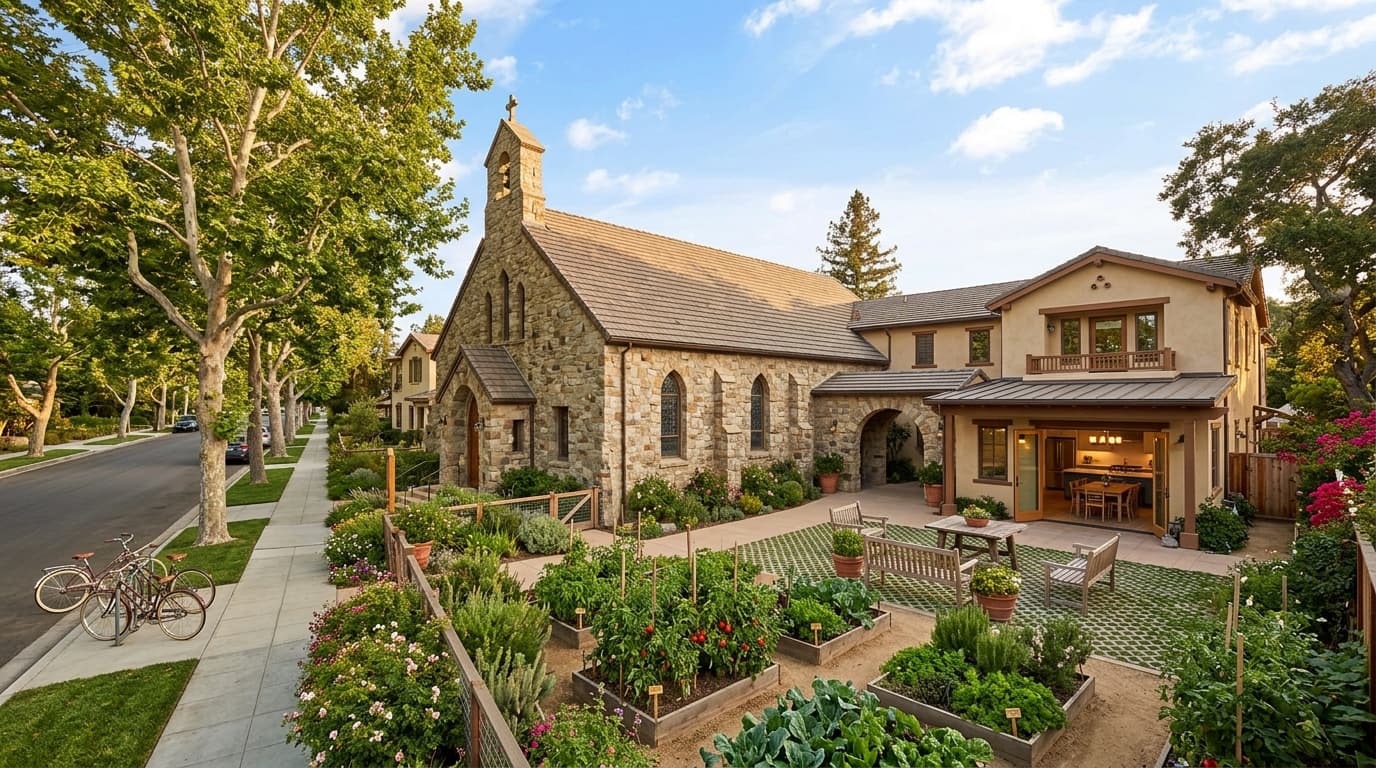
Few verses reframe ownership as quickly as this one: "The earth is the Lord's, and everything in it" (Psalm 24:1). Real estate is usually described in the language of possession. We say my house, my lot, my portfolio. The psalmist invites a different vocabulary, one in which we hold property as stewards rather than final owners. For people who live and invest by faith, that shift changes the questions we ask before, during and after a purchase.
Ownership and stewardship are different postures
Ownership asks, "What can I take from this?" Stewardship asks, "What has been entrusted to me, and how will I care for it?" Neither idea removes legal title or the right to earn a fair return. A steward can hold a deed, collect rent and build a business. The difference is in the posture: the property is a trust, not a trophy.
This is a familiar idea in many traditions, and at Global Estate Hub Societies we hold it as our own value. We share it openly and welcome anyone who finds it useful, whatever their beliefs. Our motto, "Building Wealth, Bridging Worlds, Embracing Everyone," means that stewardship is never a reason to exclude anyone.
Three marks of a good steward
When we think about what it means to care for property in a modern economy, three habits keep coming up.
- Accountability. A steward expects to give an account. That means clear records, honest dealings and willingness to be questioned.
- Care for what is built. Buildings need maintenance, and neglect has a cost for tenants, neighbors and the land itself. Faithful upkeep is a form of respect.
- Concern for the neighborhood. A property does not sit alone. How it is managed affects the street, the schools and the people nearby.
What this looks like in practice
Stewardship can sound abstract until it meets a real decision. Here are a few places it shows up.
- Pricing and terms. Seeking a fair return is reasonable. Seeking to squeeze a person in a vulnerable moment is not.
- Transparency. Plain language in agreements, clear fees and honest descriptions of condition build trust that lasts.
- Housing access. Offering homes on equal terms to every qualified applicant is both a legal requirement and a moral commitment. Fair housing is part of faithful stewardship.
- Patient capital. Some returns come slowly. A steward is willing to build for the long run rather than chase the quickest gain.
Housing justice is a stewardship question
If the earth belongs to God, then access to a safe place to live is not a luxury reserved for a few. Faith communities have long cared for neighbors who are struggling, and housing is one of the most direct ways to do it. That does not mean every ministry must become a developer. It means that those with influence over land, capital or buildings have a chance to ask who benefits and who is left out.
Our public charity exists to explore that question through education, community-centered housing and partnerships. Our mission, "Real Estate Reimagined. Communities Reborn," is an invitation to treat property as a means of care as well as a means of wealth.
A word for faith leaders and investors
If you lead a congregation, advise a ministry or manage resources for a faith-driven purpose, the stewardship lens can make hard choices clearer. It can help a board decide whether a project fits its mission, or help an individual investor ask better questions about where capital goes. It does not replace professional counsel. Real estate and investment decisions carry real risk, so please consult a licensed attorney, tax adviser or financial professional before acting. Nothing here is investment, legal or tax advice, and no outcome is guaranteed.
Walk with us
Stewardship is easier together. We have gathered our thinking into a practical resource and welcome partners who want to put it to work in their own communities. Download our Biblical Framework Guide and partner with Lord's Instruments to explore how faith and property can serve the common good.