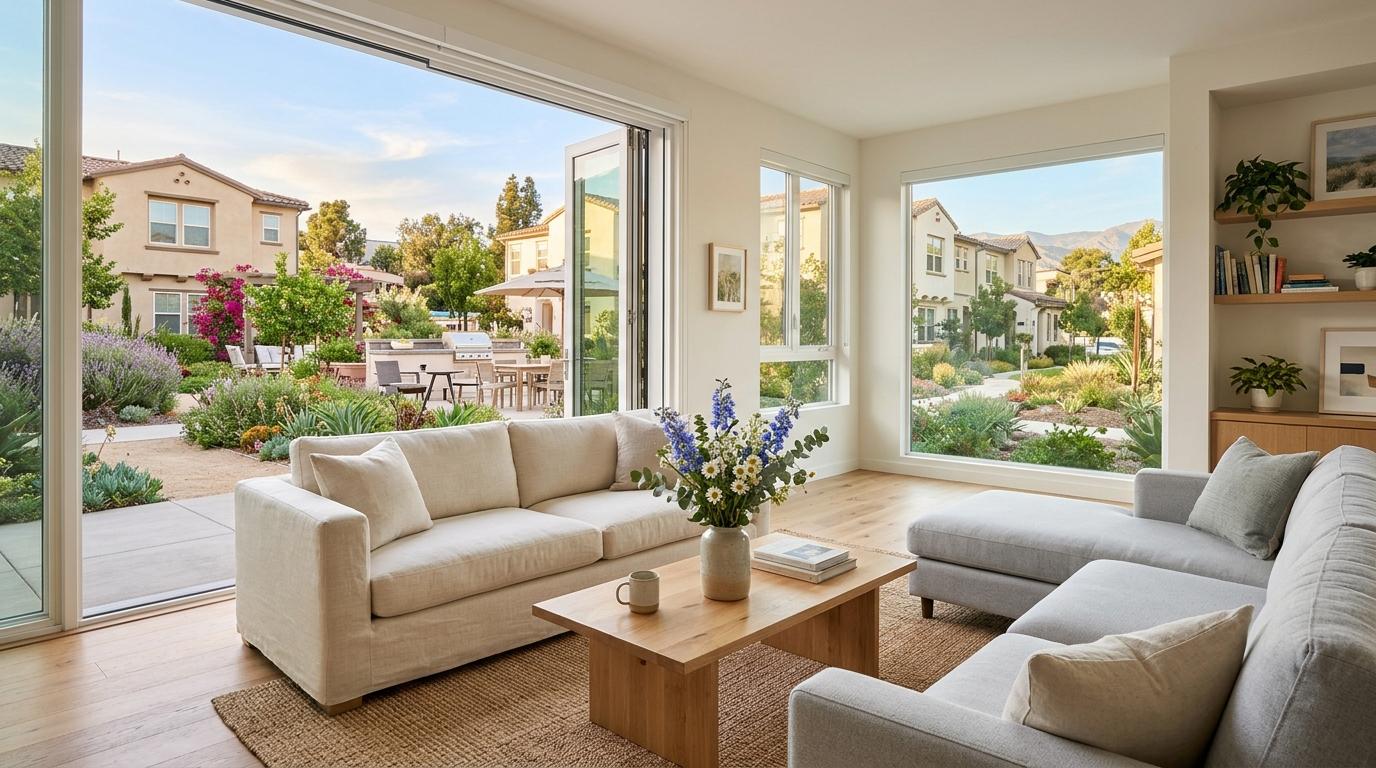
Selling a home through a voluntary online auction is different from a traditional listing. Buyers see the same property at the same time, interest is concentrated into a defined window, and presentation plays an outsized role. A well-prepared home gives bidders more confidence, and confidence is what encourages competitive bidding.
The word "voluntary" matters. Sellers choose this path, buyers choose to take part, and fair housing principles apply to every step. Here are five steps to help you prepare.
Step 1: Start With Honest Preparation
Before any photo is taken, walk through your home as a buyer would. Fix what is simple to fix: loose handles, stained grout, burned-out bulbs. Clear surfaces, deep clean, and address smells. Buyers often react to condition before they react to price, and a tidy, cared-for home signals that it has been looked after.
Disclose known material issues as required by law. Honest disclosure builds trust and avoids problems later. Your listing agent or attorney can guide you on what applies in your situation.
Step 2: Stage With Purpose
Professional staging helps bidders imagine the space in use. That usually means neutral colors, fewer personal items, balanced furniture placement and good lighting. Each room should have a clear purpose, so an awkward spare room becomes an obvious office or guest room.
Staging does not have to be expensive to be effective. Virtual staging can furnish empty rooms digitally, which is helpful for vacant properties. It should always be clearly disclosed as virtual, so that buyers know what is real and what is illustrative.
Step 3: Present the Property Well
Strong visuals do much of the work. Aim for bright, well-composed photographs of the home itself, plus clear floor plans and, where useful, a virtual tour. Describe the property accurately and focus on physical features, location and condition. Avoid language that hints at the type of person who would or would not be welcome. Fair housing rules require describing the home, not the buyer.
Step 4: Promote It Widely
An auction rewards attention. The more qualified bidders who see your property, the healthier the competition may become. Promotion can include online listings, email outreach, social posts and virtual influencer-style content that highlights the property's features in an engaging format. Whatever the channel, keep messaging truthful and consistent with your listing, and make it easy for interested buyers to learn how bidding works.
Step 5: Set a Thoughtful Reserve Price
A reserve price is the minimum you are willing to accept. Setting it takes judgment. Too high, and you may discourage bidders from engaging at all. Too low, and you risk selling for less than you are comfortable with. Consider recent comparable sales, current condition, your timeline and your own financial needs. A licensed agent or appraiser can help you reason through the number.
Keep in mind:
- A reserve price is a tool, not a prediction.
- Auction outcomes are never guaranteed, and results vary by property and market.
- Your decision should reflect your goals, not only enthusiasm about competition.
Prepare, Then Trust the Process
Preparation cannot control the market, but it can put your home in its best, most accurate light. Sellers who prepare thoughtfully tend to feel more settled when the auction opens, because they have done what was in their power to do.
This article is general education and not legal or financial advice. Please consult a licensed real estate professional and, where appropriate, an attorney or tax advisor before you list.
Get Ready to List
If you would like help showing your home at its best before bidding begins, our team can walk you through virtual staging options and what to expect. To get started, Schedule Your Virtual Staging Session.