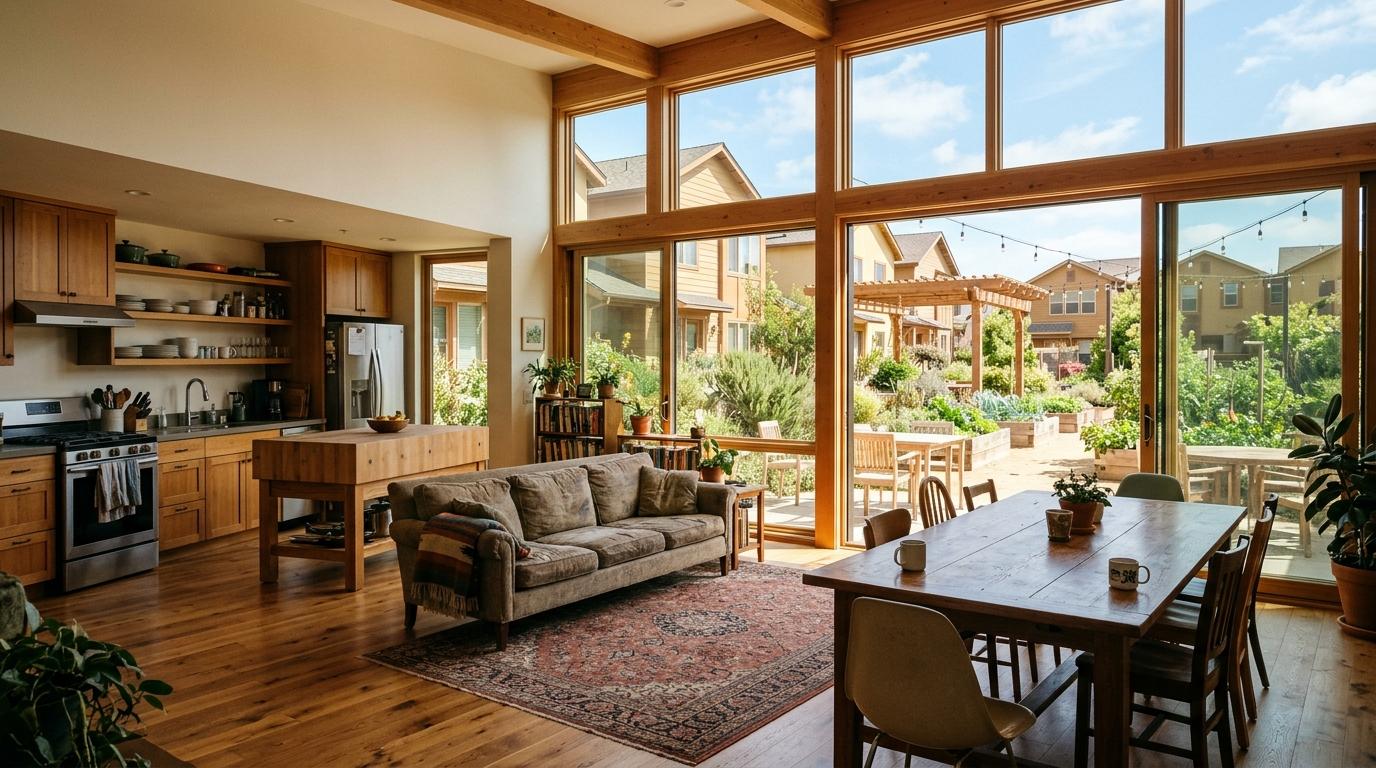
Distance used to be one of the biggest obstacles in real estate. If you lived in one country and a property sat in another, you either made an expensive trip or placed your trust in photographs and a phone call. Neither option was ideal when so much money and so many plans were at stake.
Technology is changing that picture. Photorealistic virtual tours let you move through a home on your own schedule, from wherever you happen to be.
What a Photorealistic Tour Actually Is
A virtual tour is a digital walkthrough of a property. The newest versions use 3D capture and AI-assisted rendering to produce a detailed, navigable model of the space. Instead of a few fixed images, you can look around each room, move from one area to the next and take in how spaces connect.
The experience is closer to being there than a photo gallery can offer. You get a sense of layout, scale, natural light and flow, all of which are difficult to judge from flat pictures.
Who Benefits Most
Virtual tours are useful to many kinds of buyers:
- Remote buyers who cannot easily travel before narrowing their options.
- International investors comparing several properties across regions.
- Busy professionals who want to review homes on evenings or weekends.
- Anyone with mobility or health constraints who finds in-person showings difficult.
- Families deciding together, since relatives in different places can view the same tour.
By opening the first stage of viewing to more people, tours also support fair access to housing information.
What a Tour Can and Cannot Tell You
It helps to be clear about limits. A high-quality tour is a strong tool for understanding layout, finishes and general condition. It is not a replacement for a professional inspection, and it cannot reveal everything about a property, such as hidden structural issues, sounds, smells or what the neighborhood feels like at different times of day.
Responsible use means treating the tour as one step in a larger process. Here is a sensible approach:
- Tour the property virtually and note questions.
- Review disclosures, documents and neighborhood information.
- Arrange a licensed inspection, in person or through a trusted local representative.
- Consult your attorney, lender or advisor before making an offer.
Where a tour includes AI-rendered or digitally enhanced elements, such as virtual staging or visualizations of possible changes, those should be clearly labeled so viewers know what exists today and what is illustrative.
Accuracy and Honesty in Rendering
The better the technology, the greater the duty to use it faithfully. A tour that makes a room look larger or brighter than it is does a disservice to buyers. We believe the goal of rendering is to show a home as it truly is. Faithful representation builds trust, and trust is the foundation of any good transaction.
Accessibility matters too. Tours should be easy to use on common devices, with clear navigation and, where possible, descriptions for people who use assistive technology.
A Different Kind of Open House
An open house once meant showing up on a Sunday afternoon and hoping the schedule worked. A virtual tour is open at any hour. You can revisit a room, compare two properties side by side or show a tour to a trusted advisor on another continent. Because you control the pace, you can notice details that a rushed visit might miss.
For Global Estate Hub Societies, this is part of reimagining real estate. Our mission, "Real Estate Reimagined. Communities Reborn.", includes using tools that make homeownership and investment more open to people who were once held back by distance.
See It for Yourself
The easiest way to understand a virtual tour is to walk through one. Pick a property, move through the rooms and see how it feels. If you are ready to try, Take a 3D Virtual Tour Today.