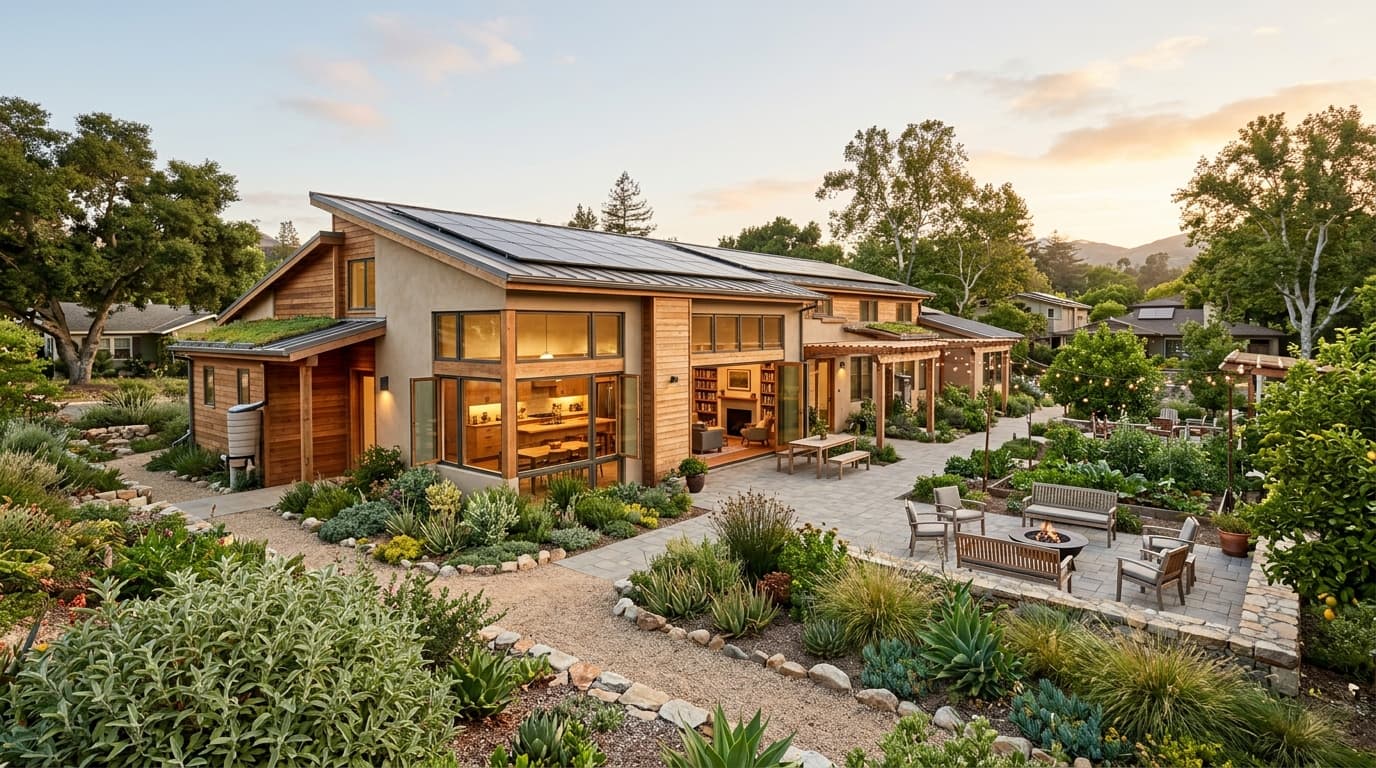
A building does not stop affecting the world once the last coat of paint dries. Every light bulb, window, appliance and utility bill continues to shape its footprint for decades. That is why sustainability belongs at the center of property development, not at the margins.
Greener properties can also be more comfortable, and many owners find they are less expensive to run. Here is a practical look at where to start.
Start with the envelope
Energy that never has to be produced is the cleanest energy of all. Before adding any technology, it helps to look at how well a building holds its heat or its cool air.
Common envelope upgrades include:
- Improved insulation in attics, walls and floors.
- Air sealing around doors, windows and penetrations.
- Efficient windows that reduce heat gain and loss.
- Reflective or well-ventilated roofing suited to the local climate.
These steps are often less glamorous than solar panels, but they reduce demand and make every other system work better. Results vary with the building and the climate, so a qualified energy assessor can help prioritize.
Efficient systems and appliances
Once a building holds its temperature well, the equipment inside can be right-sized. Modern heating and cooling systems, water heaters, lighting and appliances are often far more efficient than older models. Choosing them thoughtfully can lower energy use over the life of the property.
Water matters as well. Low-flow fixtures and drought-tolerant landscaping reduce consumption, which is especially relevant in dry regions. Smart controls such as programmable thermostats help occupants avoid wasting energy without noticing.
Solar and on-site generation
Solar integration lets a property produce some of its own power. Whether it makes sense depends on roof orientation, shading, local utility rules, available incentives and upfront cost. Some owners add battery storage to use more of what they generate.
We encourage owners to gather multiple quotes, read the contract terms carefully and consult licensed contractors and tax professionals about incentives, which change over time. Solar is a strong option for many buildings but is not the right answer for every one.
Digital documentation as a green practice
Sustainability is not only about hardware. Paper-heavy transactions consume materials, storage and transportation. Global Estate Hub Societies (GEH), a 501(c)(3) public charity, coordinates voluntary online auctions with digital documentation, which can reduce printing, courier trips and filing space while keeping a clear record.
Digital records also help owners. Keeping organized files of permits, warranties and upgrade details makes it easier to maintain systems and to demonstrate a building's features to future buyers.
Building with the neighborhood in mind
Green development also includes how a property sits within its community. Reusing an existing building avoids some of the materials and waste of new construction. Shared living models can use space and utilities more efficiently. Homes near transit, services and public spaces can reduce the need for long drives.
Sustainable housing should be welcoming to everyone. Our fair housing commitment means green features are part of homes offered openly, never as a way of favoring or excluding anyone.
A sensible order of operations
If you are planning upgrades, a simple sequence can keep costs and confusion down:
- Assess the current building with a qualified professional.
- Seal and insulate before buying new equipment.
- Upgrade systems to suitable, efficient models.
- Consider solar and storage once demand is reduced.
- Document everything digitally for future reference.
We make no promises about savings, because every property is different. But a thoughtful sequence tends to give each dollar a better chance of doing useful work.
This article is general information and not engineering, tax or legal advice. Please consult licensed contractors and professionals about your property.
Show us what you have built
Caring for the planet and caring for neighbors are closely linked, and both are part of Real Estate Reimagined. Communities Reborn. If your property includes energy-efficient upgrades, solar or other green features, we would like to recognize them. Submit Your Property for Green Feature Certification.